The farm
The program starts in the soil
You can't run a food-first health ministry on food from a truck. So we grow it — vegetables, herbs, wheat, and strawberries — on the land around us, and it changes everything that reaches the table.
What this addresses
A NEWSTART program lives or dies on its food. Guests eat three plant-based meals a day for up to three weeks — if the vegetables are tired and shipped from far away, the whole thing rings hollow, and the winters here make good produce scarce and dear.
Buying it all in would also make sponsored places impossible. Food is the single biggest cost of running the program. Growing our own is how we keep a bed affordable at all.
It also feeds further than our own table. What we grow here is what will stock the café and food store we're opening in the city — so a gift to the farm reaches people who will never see it.
What we grow, and how
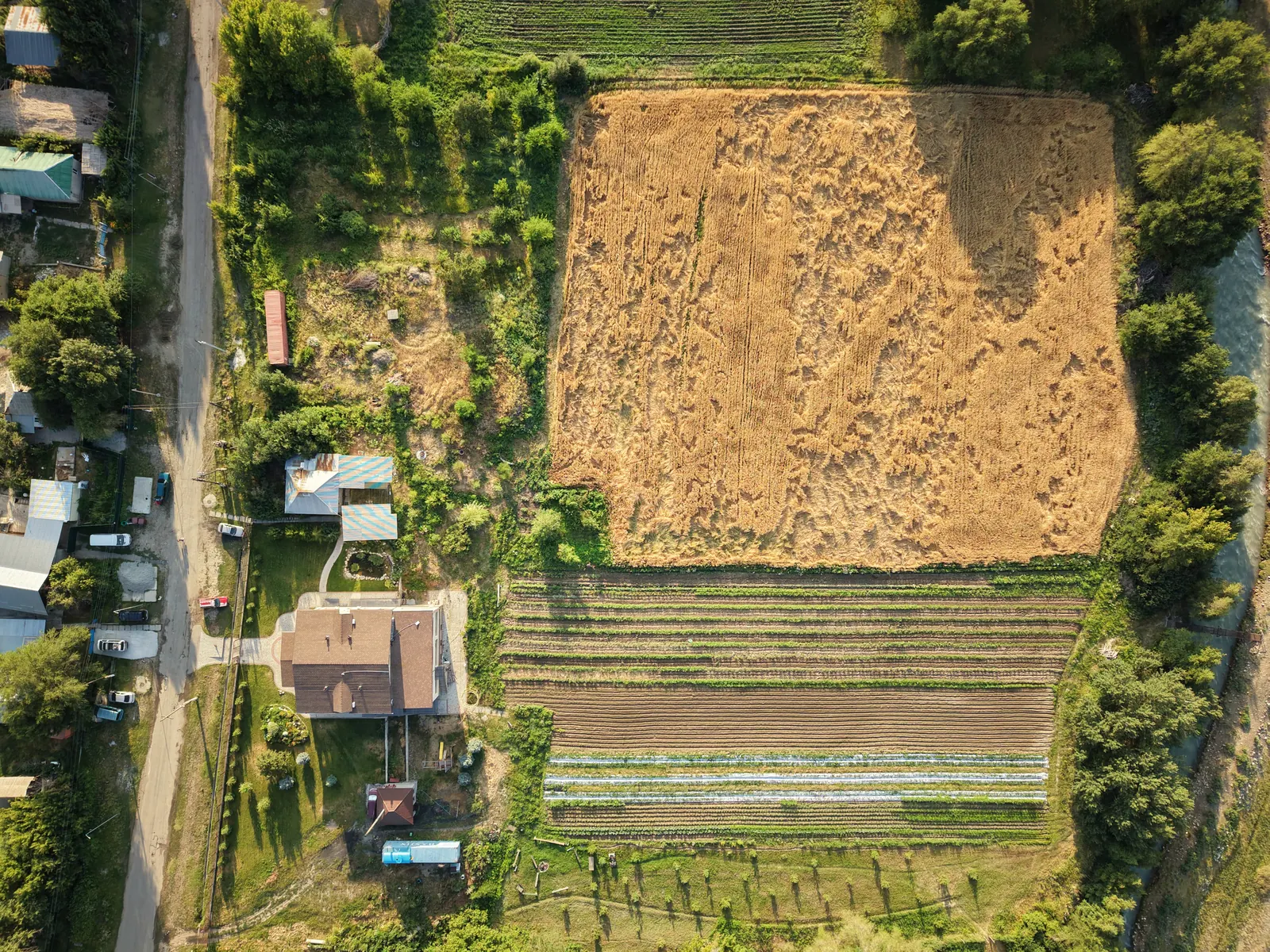
The farm runs year-round. In summer the fields carry the load — wheat, strawberries, and vegetables in rotation; in winter our heated greenhouse keeps greens and herbs coming when the valley is under snow.
It's small, careful, low-chemical work — closer to a big market garden than an industrial farm. What isn't eaten fresh gets canned or frozen, so nothing from a good harvest goes to waste.
One heated greenhouse
Greens, tomatoes, cucumbers, and herbs right through the winter.
A wheat field
Our own wheat, grown and harvested on the land around the center.
A strawberry field
A strawberry field the whole community turns out to pick in season.
Open fields
Root vegetables, squash, and beans, grown in rotation.
Canning & preserving
A lot of canning with our own fruits and vegetables, plus berries we freeze for the months when nothing's growing.
Around the farm
Select any image to view it larger
Contact
Help us open the doors of the new building in 2027
A gift to the farm is a gift to every meal for years to come. Ask us which project needs it most this season.